Scene first. Identity second.
How a digital twin is built so it stays itself across hundreds of images, what you receive, which tools come with it, and the limits set before we start.
Scene first. Identity second.
The character never depends on the scene, and the scene never depends on the character. That separation is what keeps the identity stable at volume.


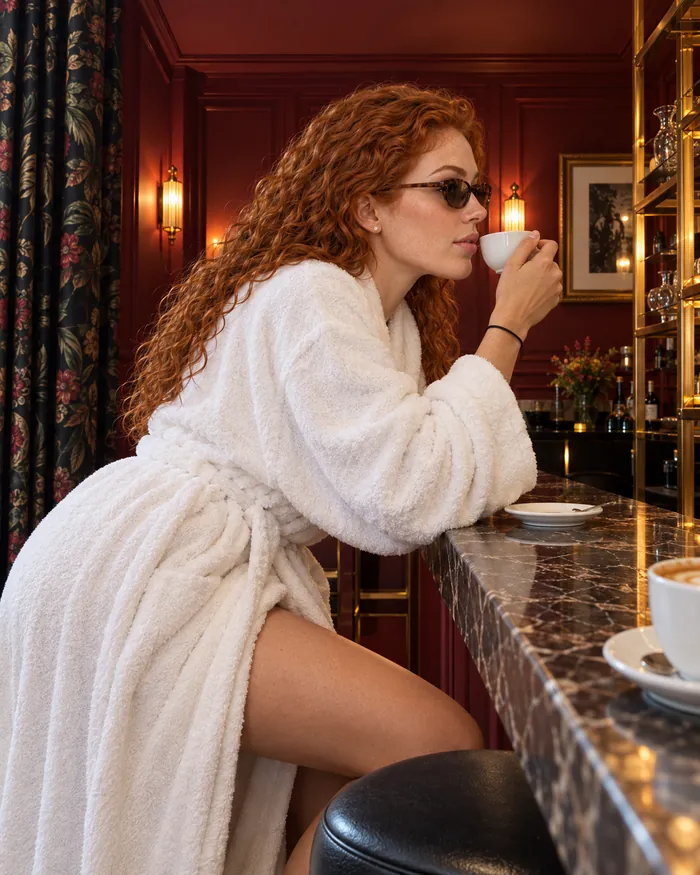



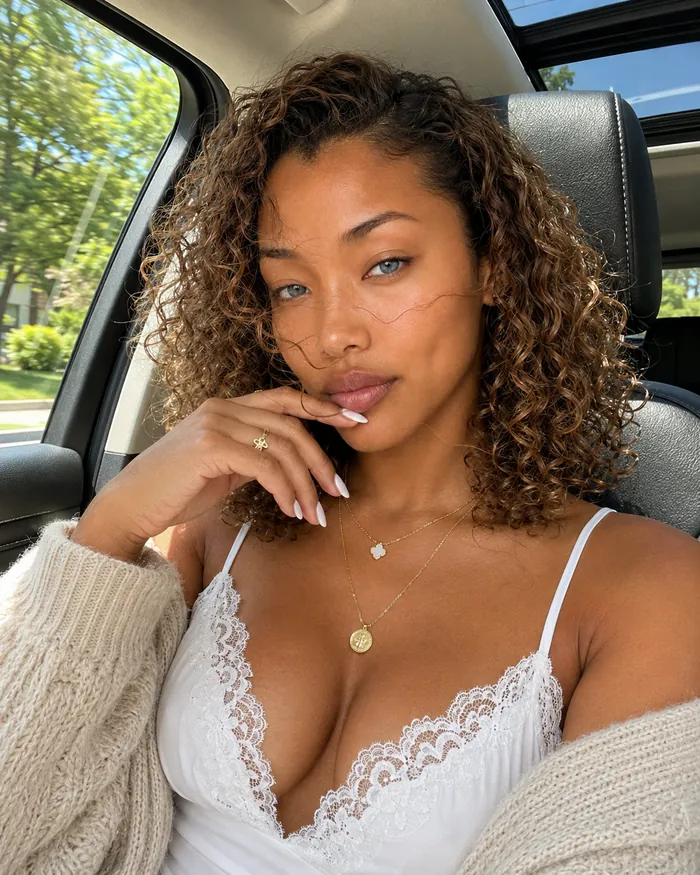

Lock the bible
Face, body, skin, hair and distinctive traits written down once, versioned, never overwritten.
Generate the 17 views
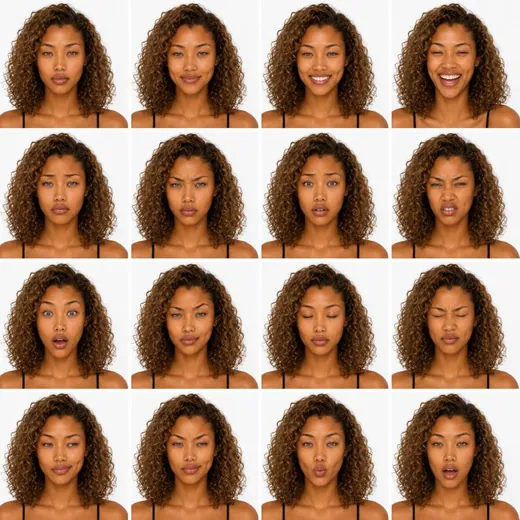
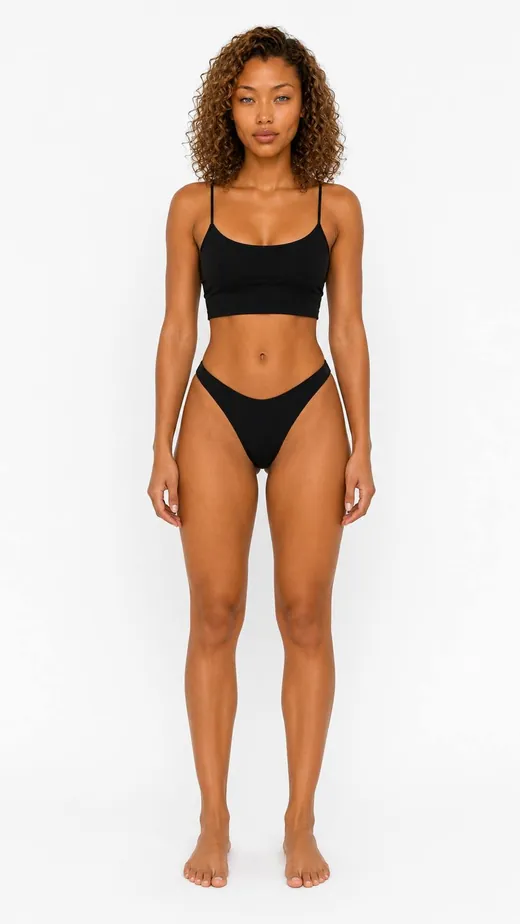
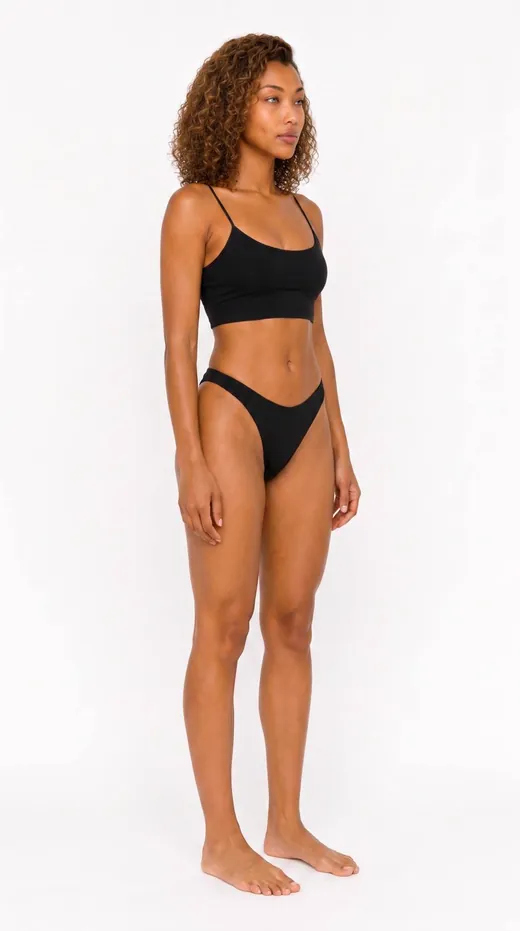
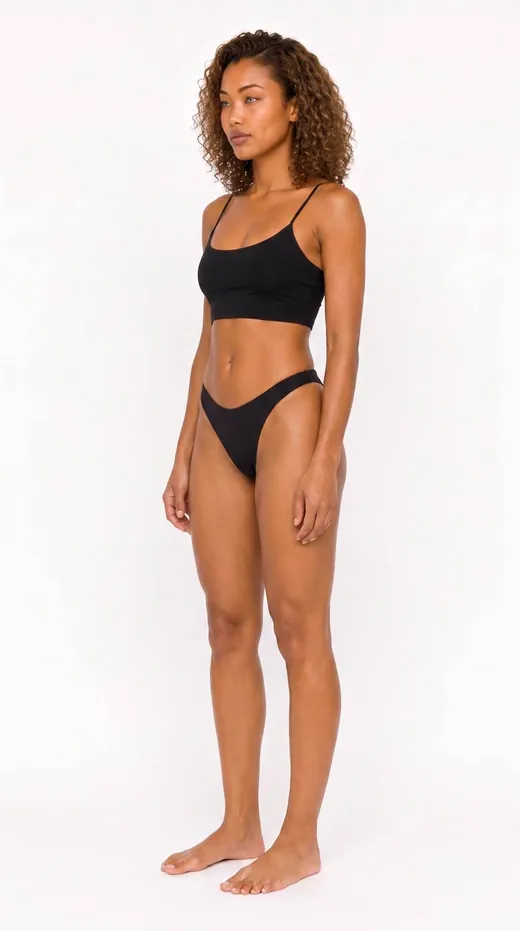
Neutral background, same light, same technical outfit. Then a decontaminated version of each, engine style removed.
Build the scene
A generic base validates composition, light and outfit with a temporary person. No identity yet.
Apply and iterate
The identity is applied from the reference views and checked against the bible until approved. Every step is archived with its prompt.
What you receive.
Everything is yours: files, prompts, parameters, and the workspace. Readable without any tool, reusable by any team or training partner.
- Character bibleLocked DNA sheet, 9 fields, dated versions.
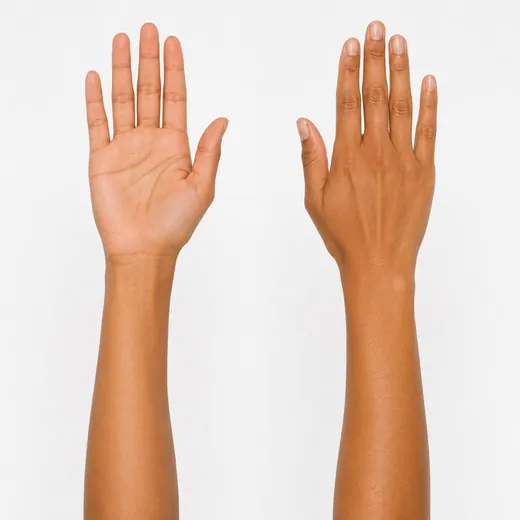
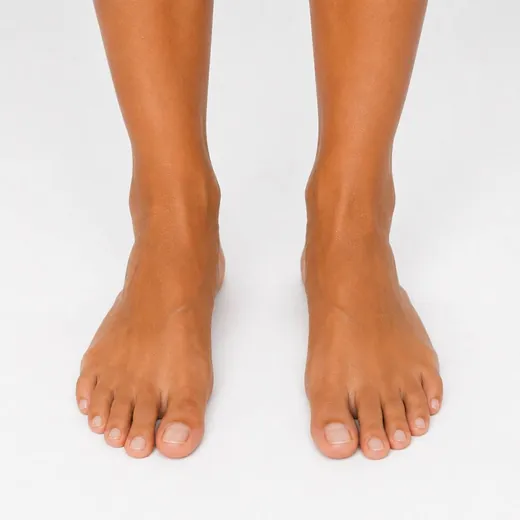
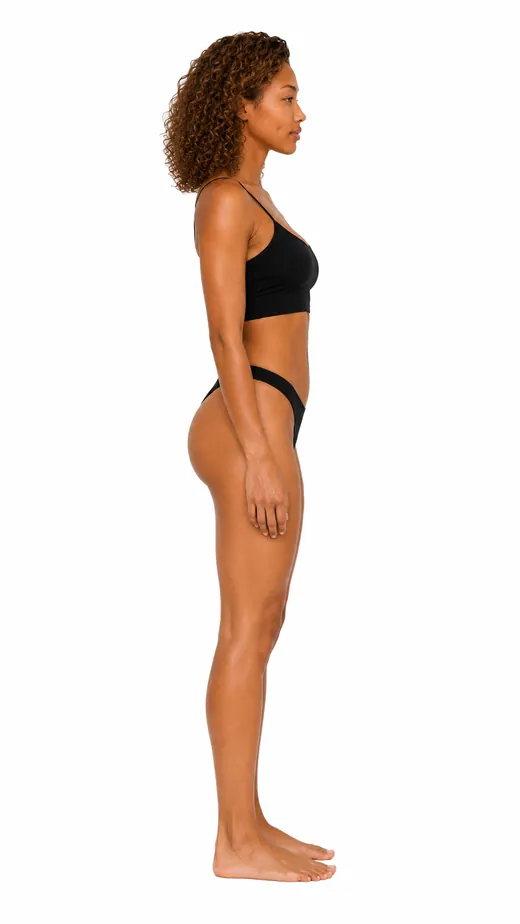
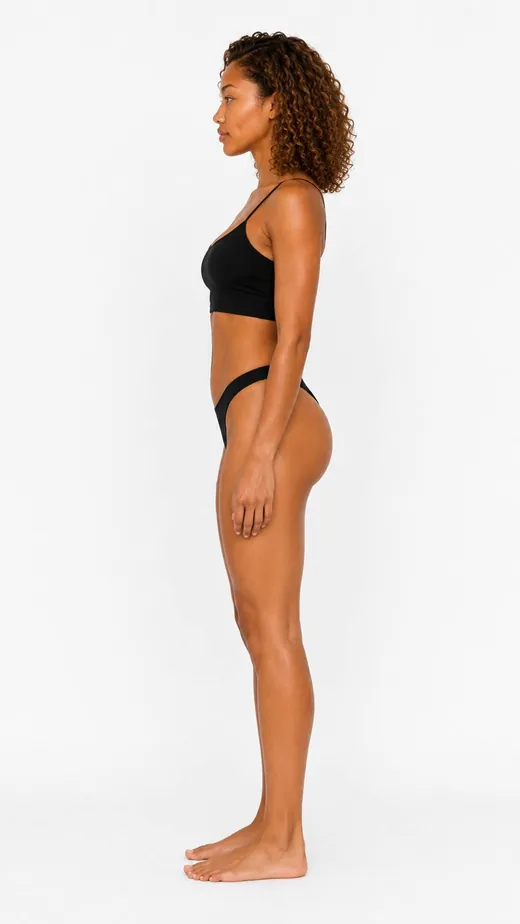
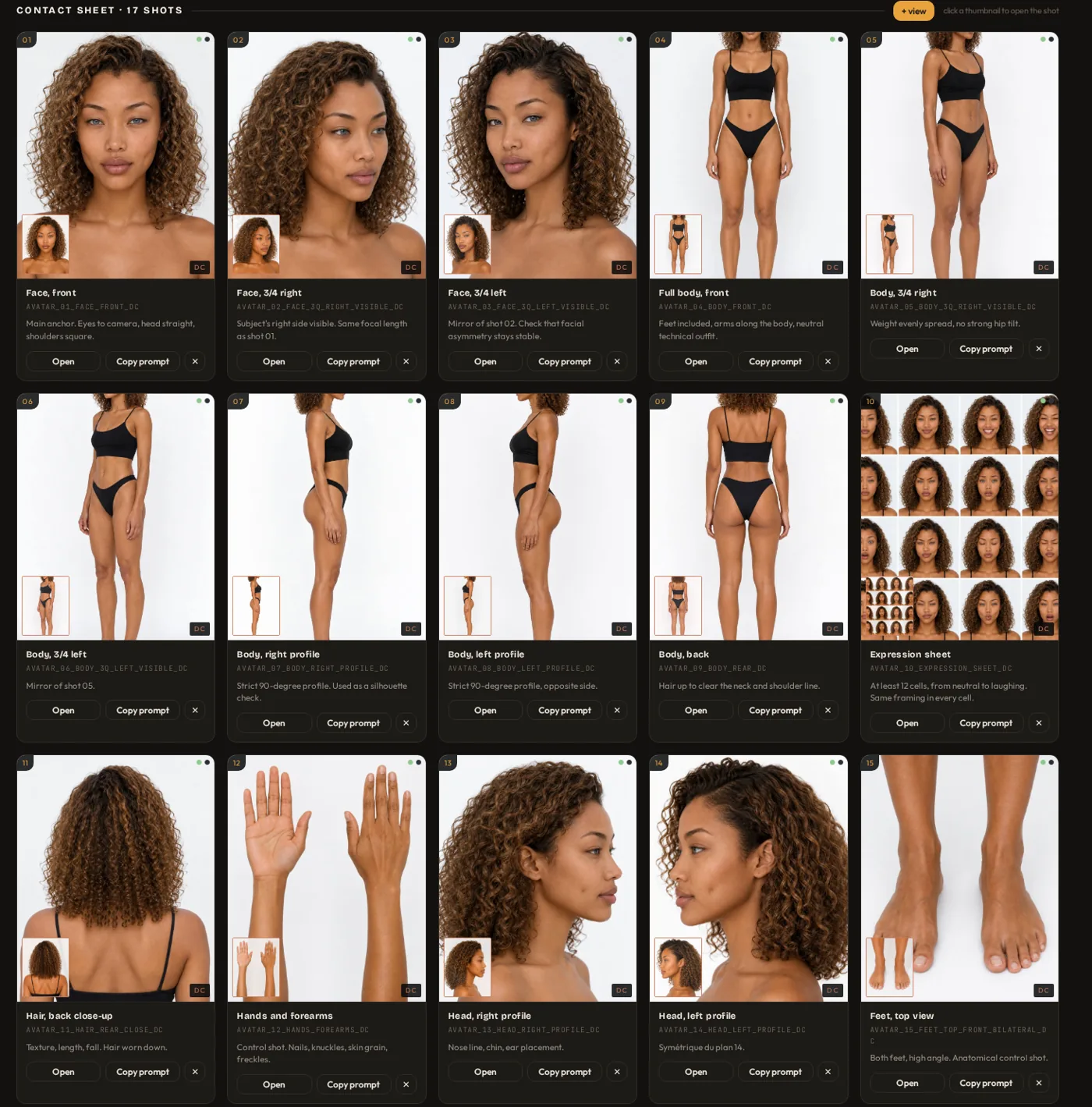
- 17 reference viewsFace, head, expression sheet, hands, feet, full body from 8 angles. Original and decontaminated.
- LoRA-ready dataset (from Identity + 50)Reference views plus 50 scene images under varied light and outfits: the volume a LoRA needs. Stable naming, per-image captions, trigger word. Train in-house or through my partner.
- Consistency sheetExact parameters, pose and light recipes, known drift cases and their fixes.
- Avatar Anchor Deck, configuredSingle-file HTML workspace: DNA versions, views, outfits, every visual with its renders and prompts. FR, EN, ES.
- AI disclosure kitWording and placement for EU AI Act art. 50 and the main platforms' policies.









Tools, not just files.
A character is not a folder of images, it is a system you keep producing with. Every package ships with the Avatar Anchor Deck, the production workspace I use myself, configured for your character: a single HTML file, no server, no account, FR · EN · ES.
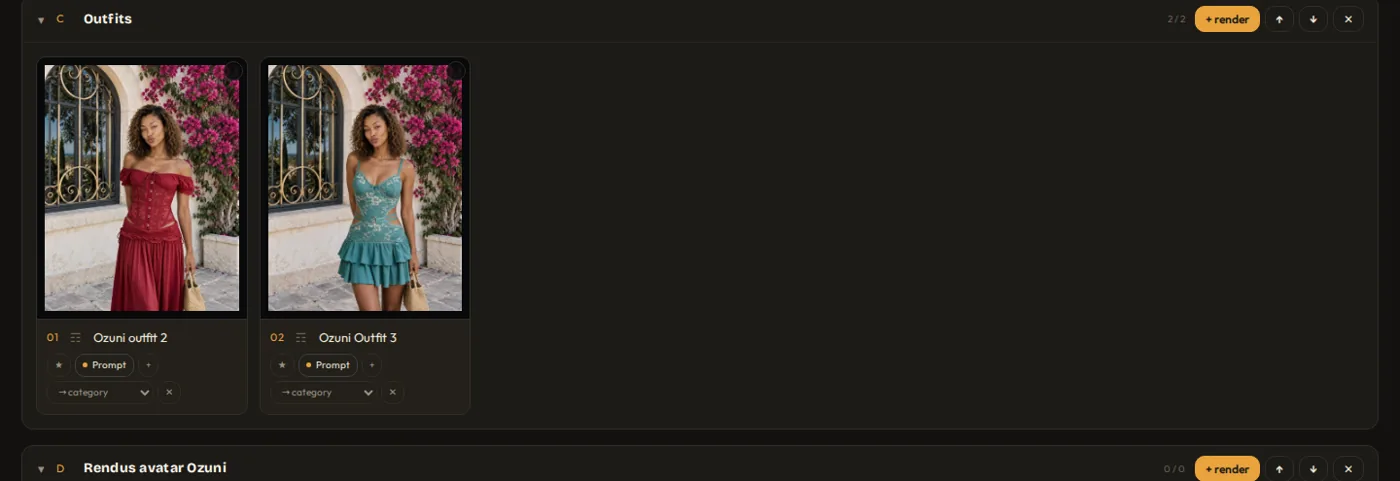
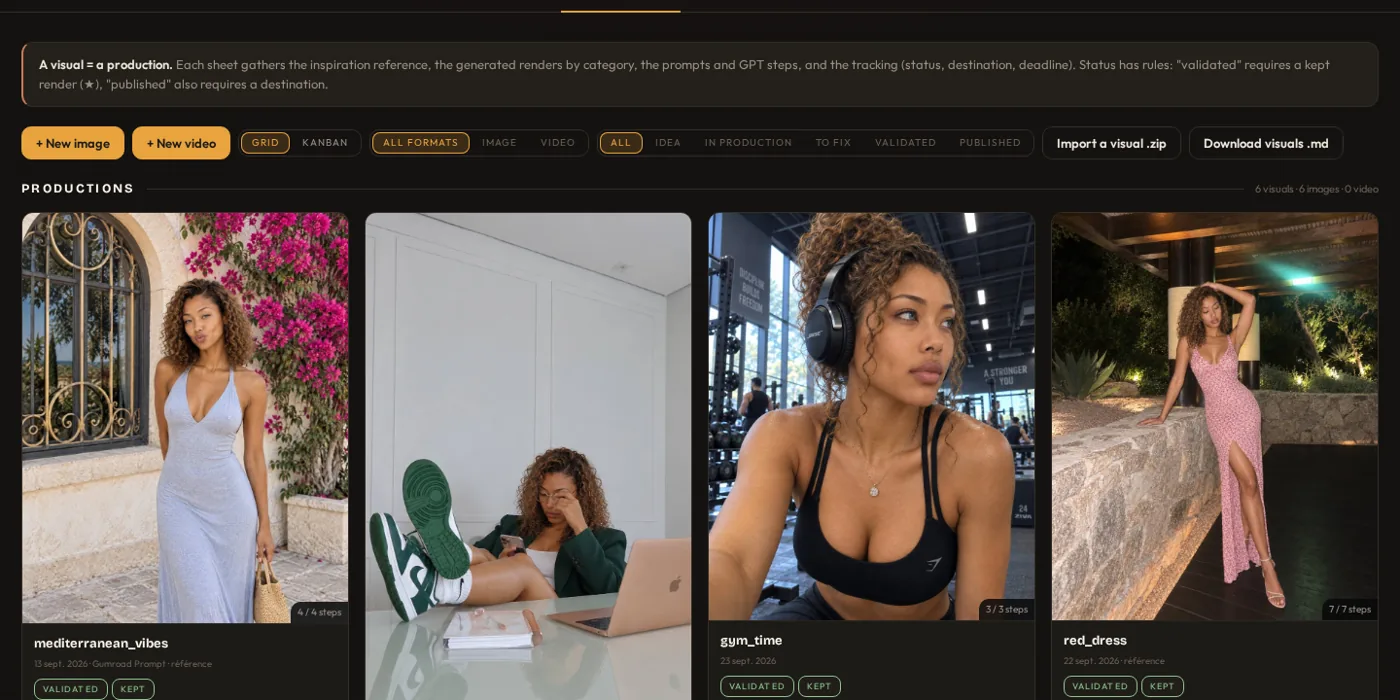
What it holds
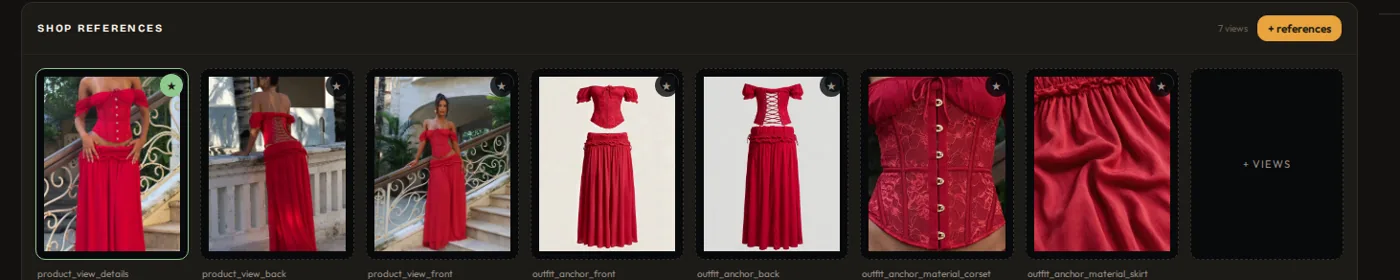
The versioned DNA sheet, the 17 reference views in original and decontaminated form, the outfit library, and every production with its renders and prompts. Nothing lives in my head or in a chat history.
How your team uses it
Open the file, pick a visual, read its status and next action. Guided mode walks a newcomer through the order of production; advanced mode gives a power user every field. Search across everything.
What you keep
The deck itself and a .zip export with a plain folder structure, readable without the tool: DNA in Markdown, images by view, one folder per visual with its sheet. Your production continues with or without me.
How a project runs.
Two sequences, no surprises: what happens before you sign, and what happens once you have. Timings in business days. The full version is in a two-page document sent with my first reply.
Before signature
- First contactReply within 1 business day with three questions and a call slot. A sheet from the configurator speeds everything up.
- Scoping call, 30 minGoal, audience, scope, package. Written summary within 24 h.
- 48-hour test, optionalFour images from your brief, 120 € deducted from the package.
- Proposal and quoteDeliverables listed one by one, calendar, revisions, rights. Valid 30 days.
- Signature and deposit50 % deposit sets the kickoff date. Onboarding form sent the same day.
After signature
- Onboarding form, 48 hContact, platforms, brand rules, and the assets your case requires.
- Kickoff call, 30 minBrief validated, DNA sheet locked on screen. Bible v1 the same day.
- Identity Core, day 5Bible, 17 reference views, consistency sheet, disclosure kit, Anchor Deck.
- Scene batchesDelivered in batches, two revision rounds each, your feedback within 48 h.
- Delivery and handoverStructured archive, tools configured, recorded handover, 30 days of support.
Each day of validation delay shifts the calendar by the same amount. For a digital twin of a real person, the 17 reference views are supplied as real photographs, with a shooting guide.
Scope.
Clear limits make a clean project. These are set before we start, not negotiated during.
What I do
- Fictional adult characters, built trait by trait
- Master avatar packs (17 views) and reference datasets
- Lifestyle and editorial visuals, single or multi-character
- Production tooling and handover so your team continues without me
- Digital twins of real people, with a signed consent agreement
- Clients on adult (18+) platforms: identity, references and lifestyle assets
What I don't
- Explicit or NSFW images and videos
- In-house LoRA training or ComfyUI work (dataset delivered, training via partner)
- Likeness of a real person without their written consent
- Long-form video, talking heads or lip-sync (short motion clips only)
- Characters presented as minors, in any style
FAQ
The questions that come up in the first call.
Do you use LoRA or ComfyUI?
Not in-house. The pipeline is cloud and zero-shot, which removes the GPU and cuts delivery to days. If you want to own a LoRA file, the dataset is included from Identity + 50 and I run the training through a partner, staying your single point of contact.
Who owns the files?
You do: bible, views, dataset, prompts, parameters, finished images, and the configured Anchor Deck. Full commercial licence, worldwide, no time limit, on full payment.
Does the character look like someone?
No. Each character is fictional and built trait by trait from a visual configurator, not from a person's photos. A digital twin of a real person is only produced with that person's signed consent.
How many images before it drifts?
Drift is handled at the source: locked bible, 17 views, decontaminated versions, and a check on every render against the bible. Known drift cases and their fixes are written into the consistency sheet you receive.
What about video?
Short image-to-video clips of 5 to 7 seconds are available as an option. No long-form video, talking heads or lip-sync for now.
Do you disclose that it's AI?
Every delivery includes a disclosure kit: wording, placement, EU AI Act article 50 requirements and the main platforms' policies. Publishing compliance stays your responsibility; the kit makes it a five-minute job.
Questions left? Send a brief.
I reply within one business day, in French, English or Spanish.